
Frequent Urination Causes: Water, Coffee, Alcohol, UTI
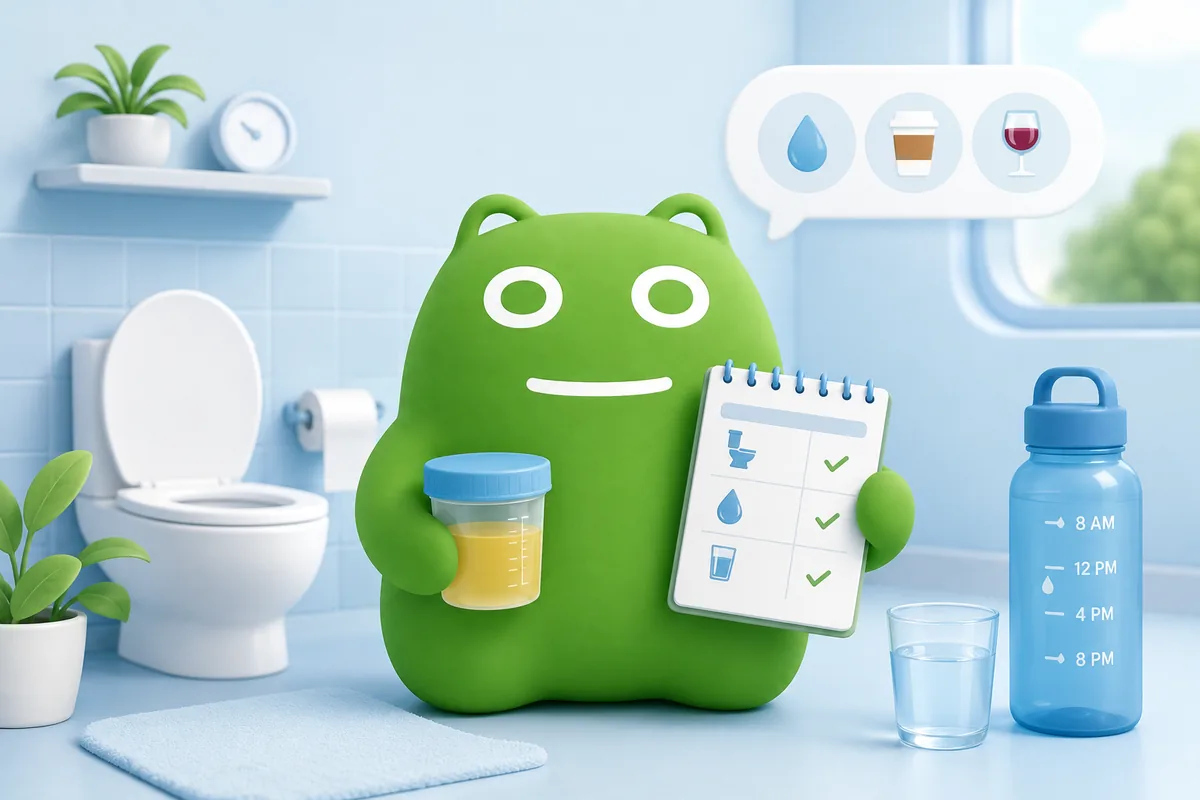
Most adults urinate about 4 to 8 times a day. Going more often can come from something as ordinary as drinking a lot of water, having coffee, or having alcohol. It can also be a sign of a urinary tract infection, pregnancy, diabetes, or an overactive bladder. The key question is whether the pattern is predictable and tied to what you drank, or new, persistent, and paired with pain, blood, fever, strong urgency, or unusual thirst.
What counts as frequent urination
There is no single magic number, since how often you go depends on how much and what you drink. As a rough guide, going more than about 7 to 8 times in a day, when your fluids have not changed, is often called frequent urination. Waking up to go during the night has its own name, nocturia, and it counts too. The most useful signal is a change from your own normal.
Frequency is also different from high urine volume. Frequent small trips may suggest bladder urgency or irritation, while passing a large volume each time suggests increased urine production. The distinction is hard to make from memory, so a short record of drinks, bathroom times, and whether each void was small, medium, or large can clarify the pattern.
Common causes
- Drinking more fluids than usual, which naturally means more trips.
- Caffeine from coffee, tea, or energy drinks, which is a mild diuretic and can irritate the bladder.
- Alcohol, which makes you produce more urine and may irritate the bladder.
- Diuretic medications, often prescribed for blood pressure or fluid retention.
- A urinary tract infection, which can cause urgency and frequent small amounts, often with burning.
- Pregnancy, especially in the early and later stages.
- Diabetes, where extra sugar in the blood pulls more water into the urine.
- An overactive bladder, where the bladder muscle squeezes when it should not.
- In men, an enlarged prostate, which can press on the bladder and the urethra.
A single busy bathroom day after a big glass of water is nothing to worry about. A steady new pattern, especially with other symptoms, is worth looking into.
Frequent urination after drinking water
Needing to pee more after drinking water is often a normal sign that the kidneys are balancing fluid. They continuously filter blood and adjust how much water is retained or released. If you take in more fluid than your body currently needs, urine production rises. A large bottle finished at once may create several trips in a short period, while the same amount spread through the day may feel less disruptive.
Recent hydration matters. After heat, sweating, or exercise, more of the fluid may replace losses. In cool conditions with little activity, more may appear as urine. Meals, salt intake, and bladder capacity also affect timing, so there is no universal number of minutes that defines a normal response.
If frequency only follows unusually large drinks, spreading smaller amounts through the day may help. Do not deliberately dehydrate yourself to cut bathroom visits, since concentrated urine may irritate the bladder. Also note whether you go because of painful urgency, a just-in-case habit, or a comfortably full bladder. Habitual preemptive trips can make you more aware of bladder sensations, but persistent urgency still deserves evaluation.
Frequent urination after coffee
Coffee can make you urinate more often for two simple reasons. It is fluid, so your body has more liquid to process. And caffeine can have a mild diuretic effect and may make the bladder feel more active or urgent in some people, especially when the dose is higher than usual.
Volume and timing change the picture. A small coffee with breakfast, a bottle of cold brew, and a large latte are different exposures, and coffee followed by water or tea may reflect total fluid more than caffeine alone. The cup may also contain other possible bladder irritants for some people: acidity, carbonation in canned coffee drinks, chocolate flavors, artificial sweeteners, or alcohol in coffee cocktails.
Test one change at a time: a smaller serving, half-caf, decaf, coffee after food, or a later first cup. Decaf may help if caffeine is the main trigger, though it still contains fluid and a small amount of caffeine. If you pause coffee, bring it back with one small cup so the result is readable.
Frequent urination after alcohol
Alcohol can suppress vasopressin, a hormone that helps the kidneys retain fluid, which increases urination and fluid loss. The drink itself adds volume too, so a large beer or hard seltzer adds more fluid than a small neat drink. Drinking speed, food, heat, sweating, medications, and baseline hydration all change the pattern.
Alcohol is also listed among drinks that can worsen urgency or overactive bladder symptoms for some people. What comes with it matters: carbonation in beer and sparkling drinks, citrus, caffeine, sweeteners, or acidic mixers in cocktails, and spicy, tomato-heavy, or salty food.
Peeing often after alcohol can be part of a dehydration pattern, especially with thirst, dry mouth, headache, dizziness, or darker urine the next morning. Water helps, but forcing a lot at once can upset the stomach. Alternating drinks with water, sipping before bed if safe, and eating normal meals is usually more comfortable. Track the next morning as well as the evening.
Simple steps that can help
Notice the timing of your fluids, caffeine, and alcohol, and consider easing back on coffee, tea, and alcohol in the evening to cut nighttime trips. Do not swing the other way and cut water too much. Some medicines increase urine production, so record their timing and ask a clinician or pharmacist rather than changing a prescription yourself. People with kidney, heart, or other conditions may have individualized fluid limits and should follow their clinician’s advice.
What to track
Keep a simple three to seven day log of ordinary days:
- Drinks in cups or mL, including water, coffee (regular or decaf), and alcohol type, amount, mixers, and carbonation.
- Each urination: time, rough amount, color, and whether the urge was normal or sudden.
- Burning, leakage, pelvic pressure, side pain, or a feeling of not emptying fully.
- Nighttime trips, tracked separately from daytime trips.
- Thirst, dry mouth, headache, sweating, and stool changes.
Look for repeated pairings rather than proof from one day. If frequency continues on days without extra water, coffee, or alcohol, the pattern deserves more attention.
Warning signs that need a doctor
Do not assume water, coffee, or alcohol explains every urinary symptom. See a doctor for:
- Pain or burning when you urinate.
- Blood in your urine, or urine that looks pink, red, or dark brown.
- Fever, chills, or pain in your back, side, lower belly, or groin.
- A strong, sudden urge that is hard to hold, leakage, or loss of bladder control.
- Excessive thirst, unexpectedly large urine volumes, unexplained weight loss, or feeling very tired, which can point to diabetes.
- Frequent nighttime urination that disrupts sleep, pregnancy with urinary symptoms, or frequency that continues on ordinary days.
Seek prompt care for fever with urinary symptoms, visible blood, severe side or back pain, vomiting, confusion, inability to urinate, or feeling very unwell. A log can support an appointment, but it should not delay care. This article is general information, not medical advice.
How bellySignal helps
A single bathroom trip only tells you about one moment. bellySignal lets you log urine color based hydration from 1 to 8, abnormal urine colors, persistent foam, water in cups or mL, food and drink triggers, and notes about coffee timing, alcohol type, mixers, urgency, discomfort, sleep, or sweating. When digestion is part of the picture, you can also track Bristol stool type 1 to 7, stool color, blood, and mucus. Over days and weeks, you can see whether frequency follows water, coffee, or alcohol, or continues without them, and bring a real record to a doctor’s visit.
Your diary is stored on your device, and you can start logging without signing up. Optional login, health platform sync, and export are available. Some health values, including stool type, symptoms, and manually entered weight, are also sent to PostHog, which is enabled by default. The analytics switch in settings controls PostHog only. Firebase Analytics receives usage events without those health values and remains active. Privacy policy.
Frequently asked questions
- How often is it normal to urinate in a day?
- Most adults urinate about 4 to 8 times a day. The exact number shifts with how much you drink, the weather, and things like caffeine and alcohol. Going noticeably more than 7 to 8 times, or waking at night to go, is worth paying attention to if it is new for you.
- Why do I pee so much after coffee or alcohol?
- Coffee adds fluid, and caffeine may make some people produce urine a little faster or feel more bladder urgency. Alcohol can reduce vasopressin signaling, so the kidneys hold on to less fluid, and mixers, carbonation, and bladder irritation can add more trips.
- When should frequent urination worry me?
- See a doctor if it comes with pain or burning, blood in your urine, fever, back or side pain, a strong urge you cannot delay, excessive thirst, weight loss, or repeated nighttime waking, or if it continues on days without extra water, coffee, or alcohol.
Sources
bellySignal provides general wellness information and does not replace professional medical advice or diagnosis.